+0%
U.S. Korean restaurants, growth in the past year (demand is growing even faster)
CircanaThis business sits where the tide of the times meets a market opportunity.
In America today, Korea isn't a fad. It's a current. K-pop, K-drama and K-beauty paved the way, and K-food is now rising fast along the same road. This isn't a passing craze but a structural wave reaching into Americans' daily lives and onto their tables.
U.S. Korean restaurants, growth in the past year (demand is growing even faster)
CircanaHow much faster U.S. demand for Korean food is growing than Korean restaurants
YelpAnnual growth in U.S. imports of Korean agri-food (since 2024, the U.S. has been Korea's #1 export market)
MAFRAAugust 2025: K-content made up 40% of the U.S. Billboard Hot 100 top 10
Billboard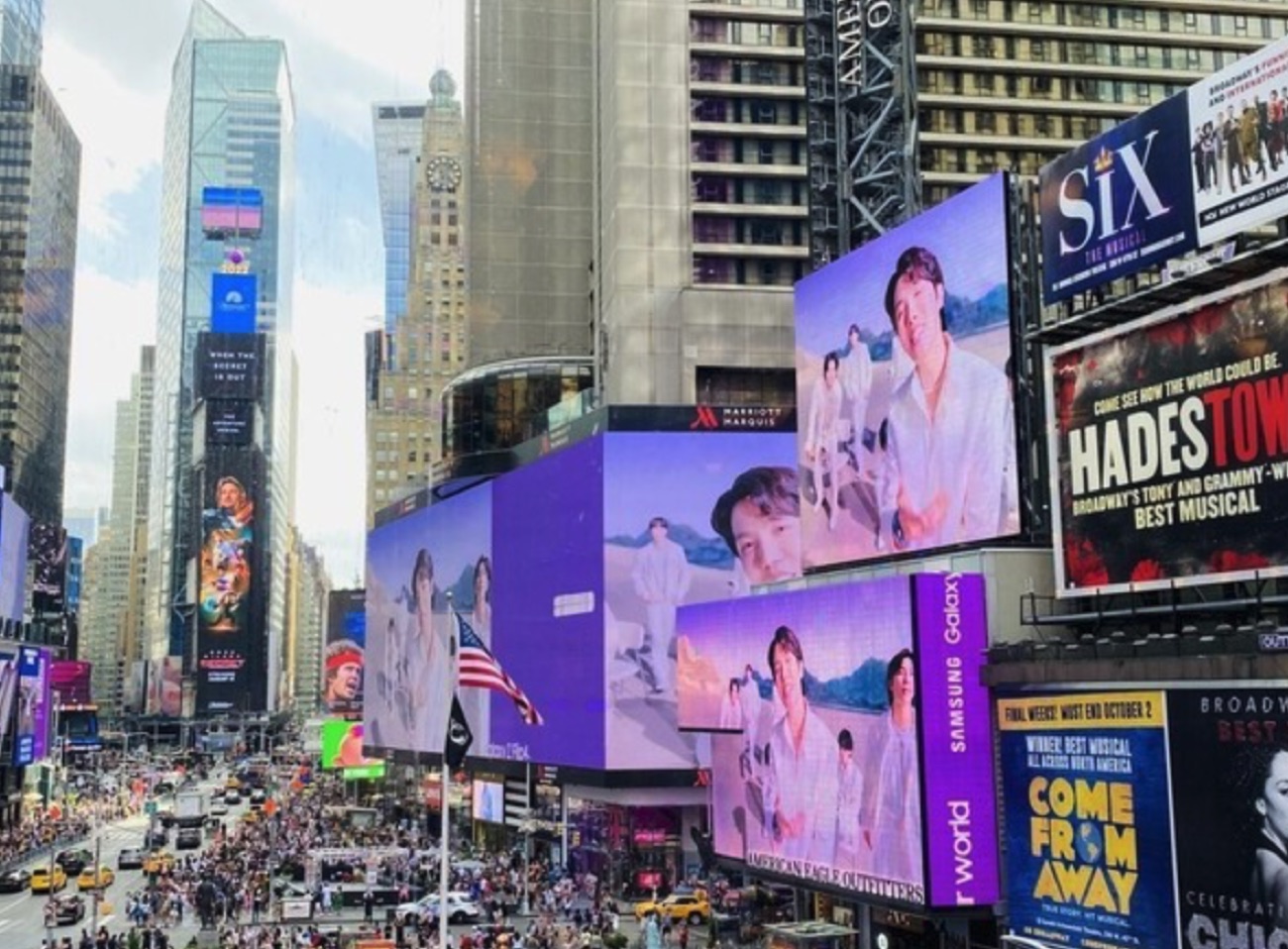

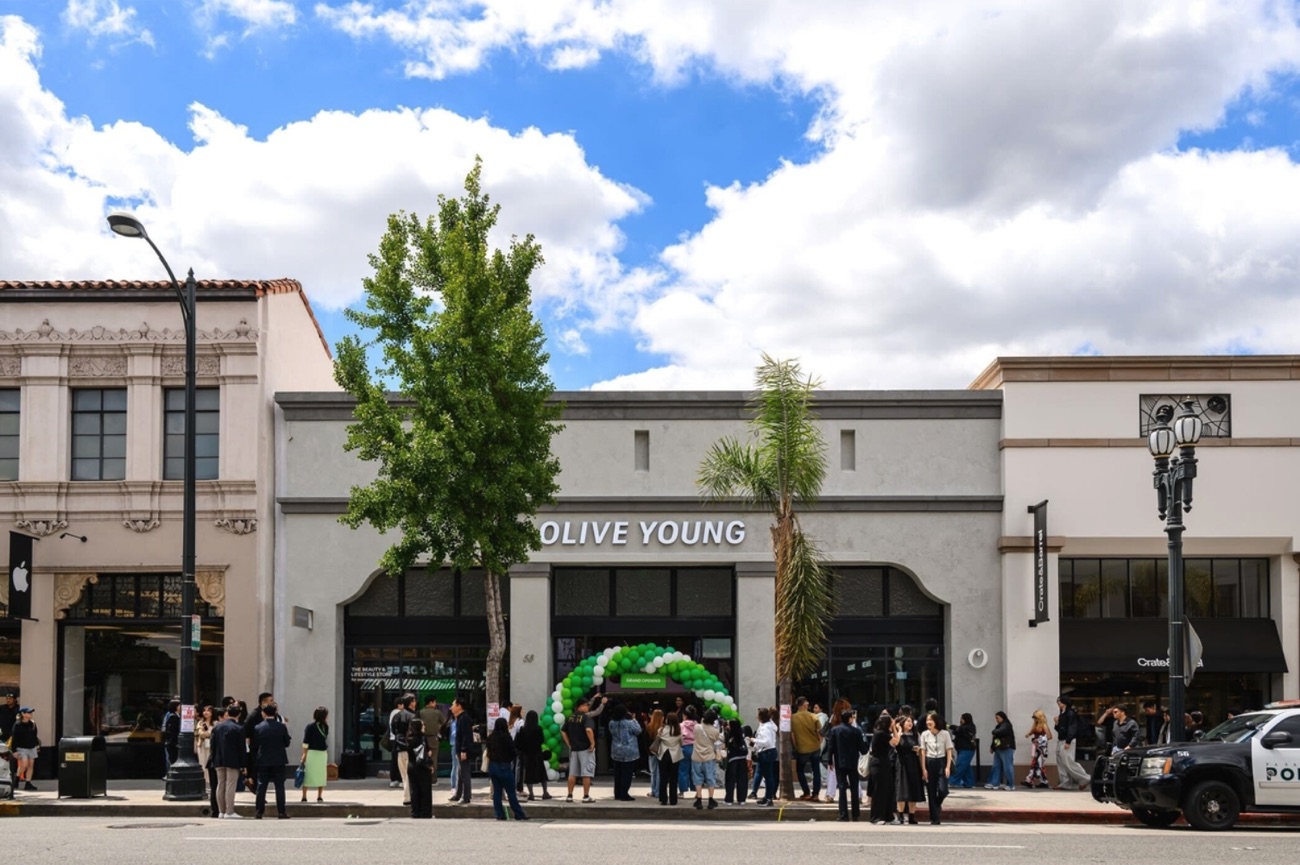

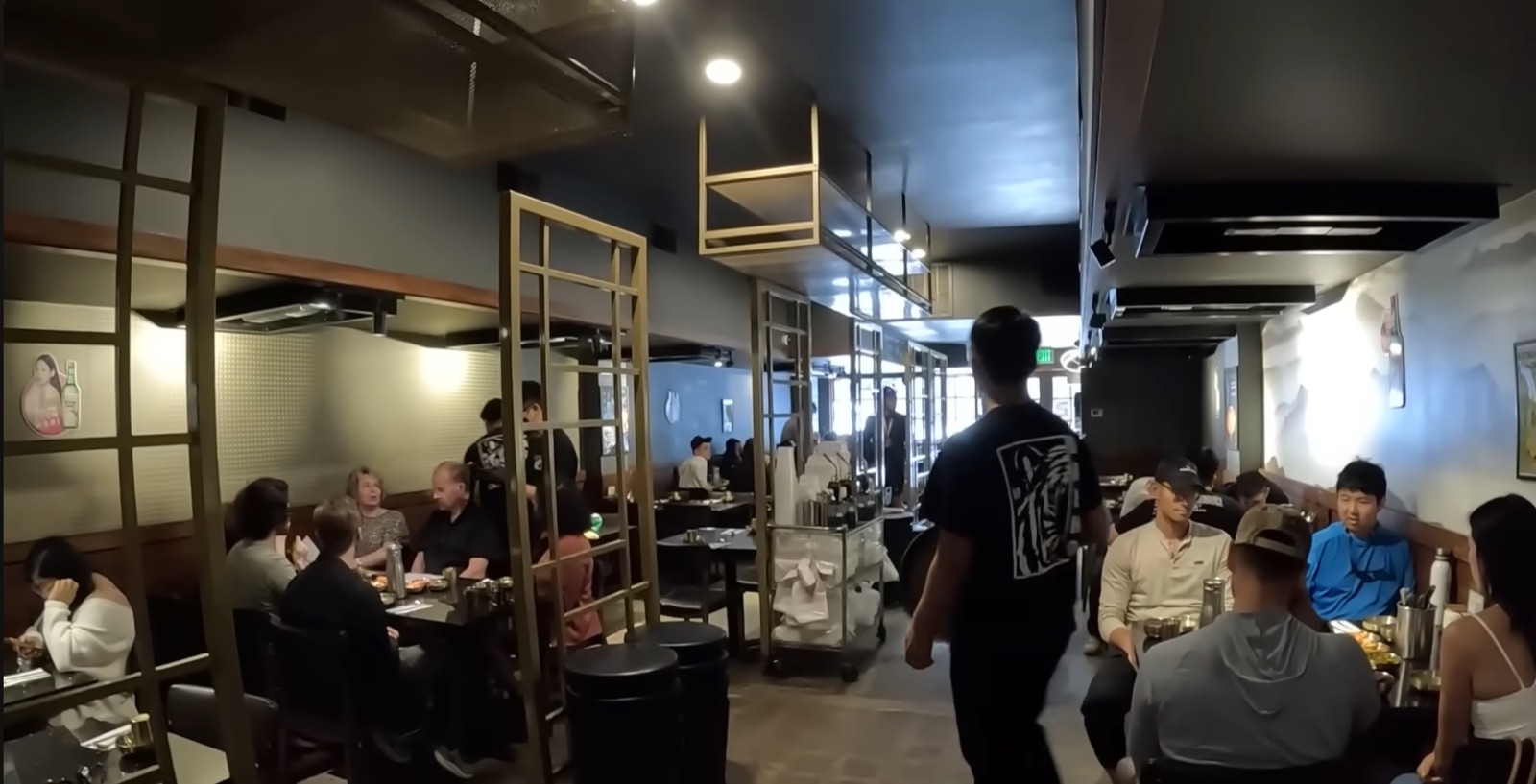
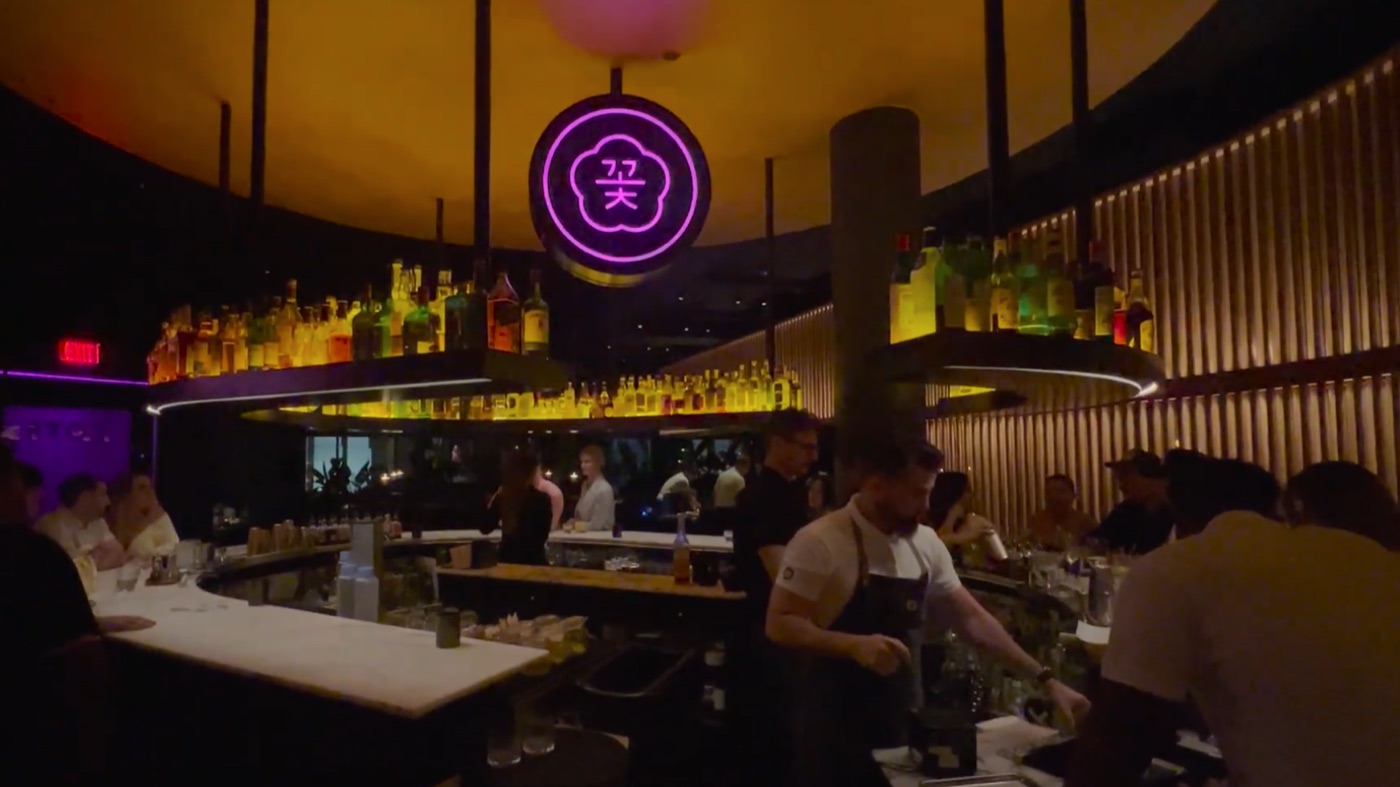
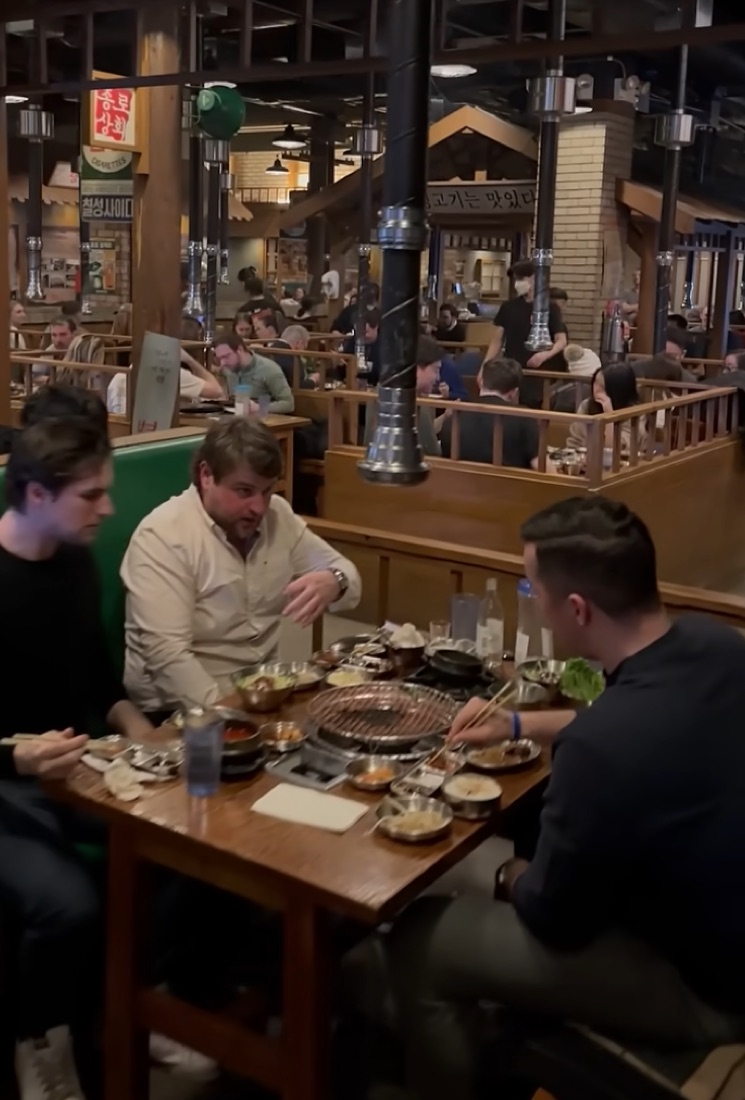
In America, Korean food is no longer just an 'exotic meal.' From casual snack shops to upscale restaurants, it has a place in everyday meals and special occasions alike.
Objective figures cite public sources (Circana, Yelp, Billboard, The New York Times, Netflix, MAFRA, etc.).
An ‘AI’ label alone doesn't make a business. Is there real demand? Can it last? Does it fit other strengths? Is it truly different? That's where a business succeeds or fails. This one has all four, and it also rides two currents: the Korean wave going global and the AI era.
Many companies start out with ‘AI’ front and center, but a lot of them don't last. Being ‘in the AI category’ doesn't supply a business's fundamentals: demand, staying power, synergy and differentiation. We designed all four in from the start.
✗ If this were missing:What if the warmth toward K-culture had stayed with pop, drama and beauty, and K-food had been passed over by local tastes? The business would have had little value.
✓ In our case Yes, and it's growing across the board, not just in pockets. People line up even for a $40 set meal, 9 Korean restaurants made The New York Times' 100 best in New York City, most diners are now non-Korean, and demand is growing 2.8 times faster than the number of Korean restaurants.
✗ If this were missing:What if the setup didn't work over time for even one of the four parties (us, the head restaurant, the master partner or the franchisee)? Goodwill alone doesn't last long.
✓ In our case The U.S. is the world's most developed franchise market, where franchisors and franchisees have long grown together. And because spending per customer and market size there differ from Korea's, it's a market where Korean food can be valued at what it's worth.
✗ If this were missing:What if we had to introduce Korean food from scratch, without the huge halo of K-culture? Getting the same result would take several times the money and time.
✓ In our case The biggest synergy is K-culture going global. Authentic Korean cooking travels the very road that K-pop, K-drama and K-beauty have paved. AI is just the tool that carries this value. The engine is a wave that is already running hot.
✗ If this were missing:What if we were no different from the K-food businesses already thriving? Today's good mood might get us in the door, but it would be hard to break out among look-alike restaurants.
✓ In our case Most K-food today is localized and built to a formula. We are opening a market that didn't exist before: the deep, traditional flavor of Korea's own head restaurants. That position is possible only because our cooking AI passes on a head restaurant's touch exactly as it is.
★ Our business also has its own direct demand: local entrepreneurs who see this wave and want to open a Korean restaurant. Until now, that was open only to ‘Koreans with a U.S. green card who can cook Korean food.’ Our cooking AI removes two barriers: ① geography, with no need to come to Korea to learn, and ② language, as the AI teaches in English, no Korean needed. That widens the pool to ‘anyone in the U.S. who dreams of starting a restaurant.’
If even one of these were missing, all that would be left is the ‘AI business’ label. We have all four, so AI isn't a hollow goal but the most powerful tool for carrying the value of authentic head restaurants to the world.
Why start in the U.S. rather than Korea? In Korea, the share of self-employed people is more than three times that of the U.S., and a low birth rate is shrinking the number of consumers. Pushing more franchise locations into an already crowded market and fueling cutthroat competition is good for no one. That's why we set our starting line in the U.S. from day one.
Business closures vs. startups in Korea, 2024 (up sharply from 60.6% in 2020)
KOSTATShare of Korea's self-employed who are 60 or older (18.4% in 2011)
KOSTAT5-year business survival rate, U.S. vs. Korea (51% vs. 20%)
public dataKorean-food menu prices, U.S. vs. Korea (gukbap, galbi and other main dishes)
public dataFigures cite public statistics (KOSTAT, OECD and other public data) and do not state or imply financial performance.
In Korea's saturated market, it is hard to raise prices. In the U.S., the same Korean food sells at a completely different price level, and locals still line up for it.
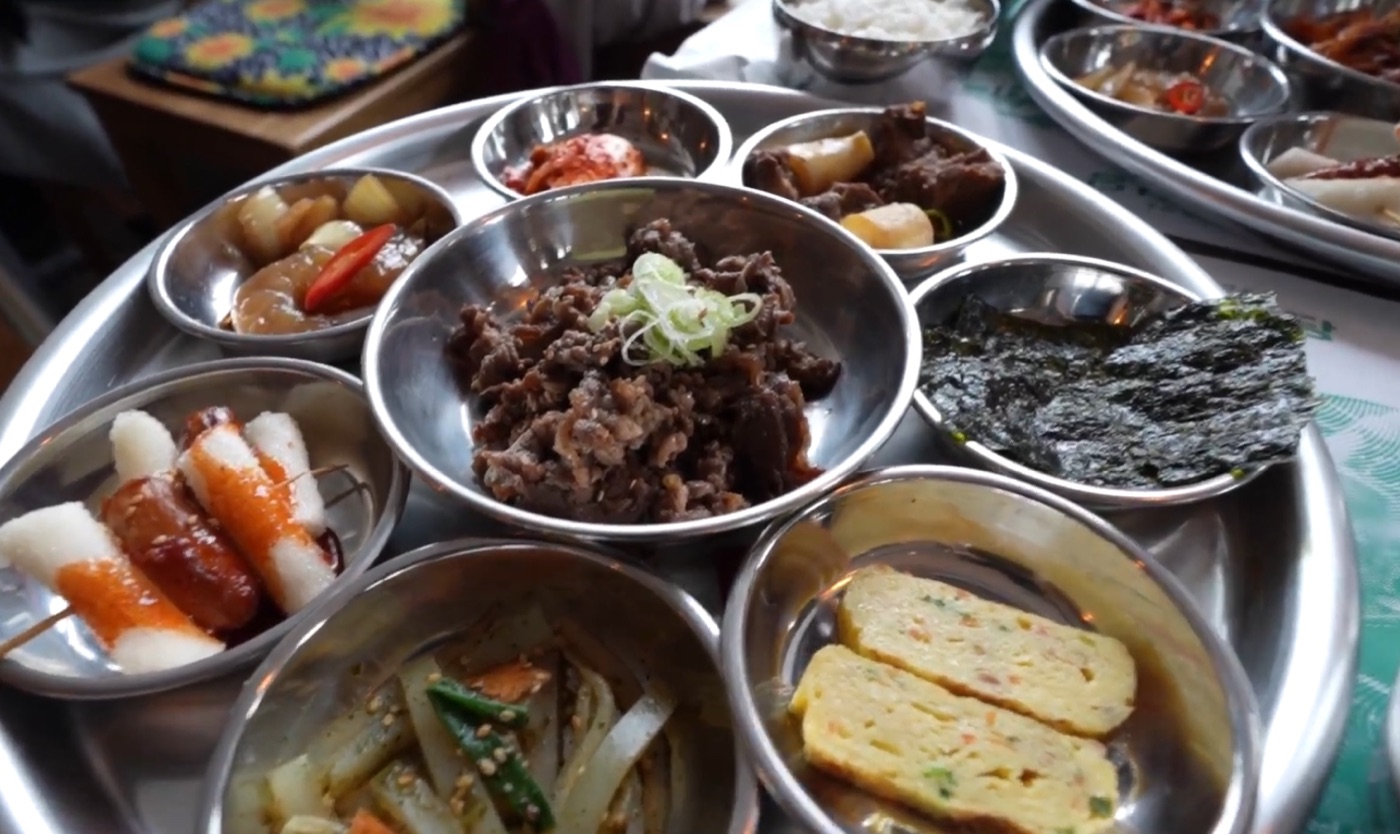
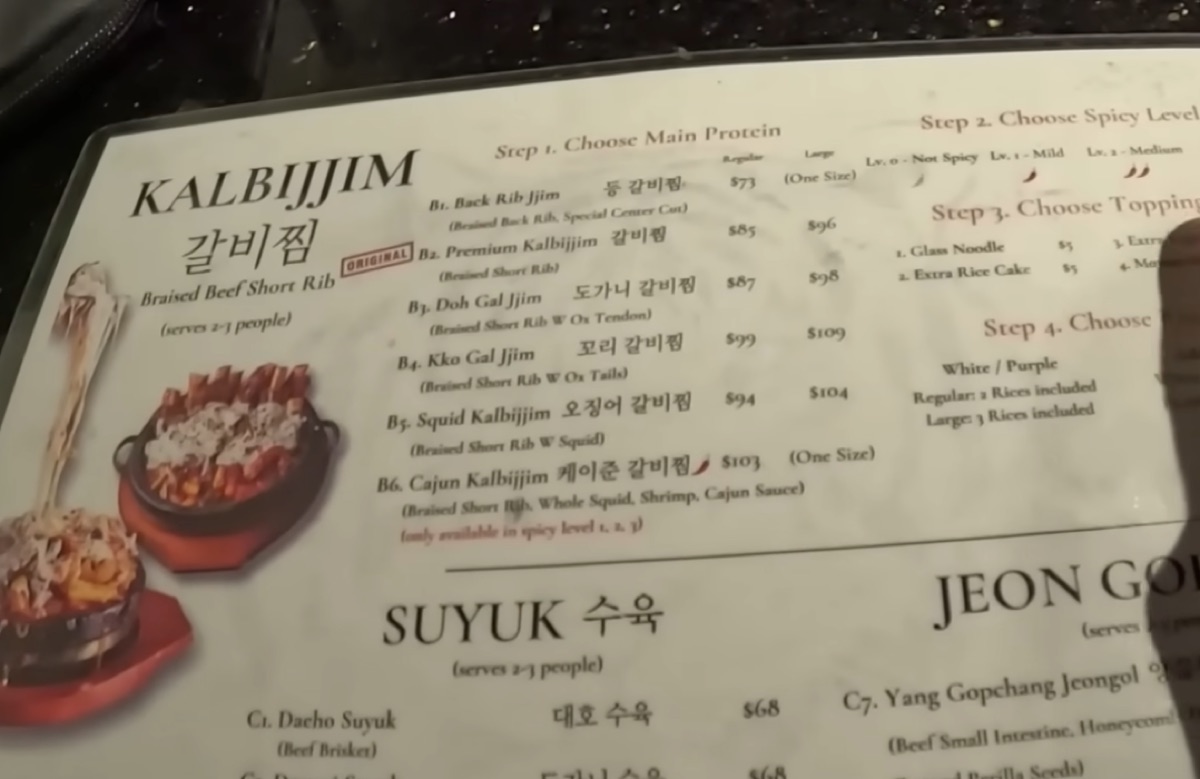
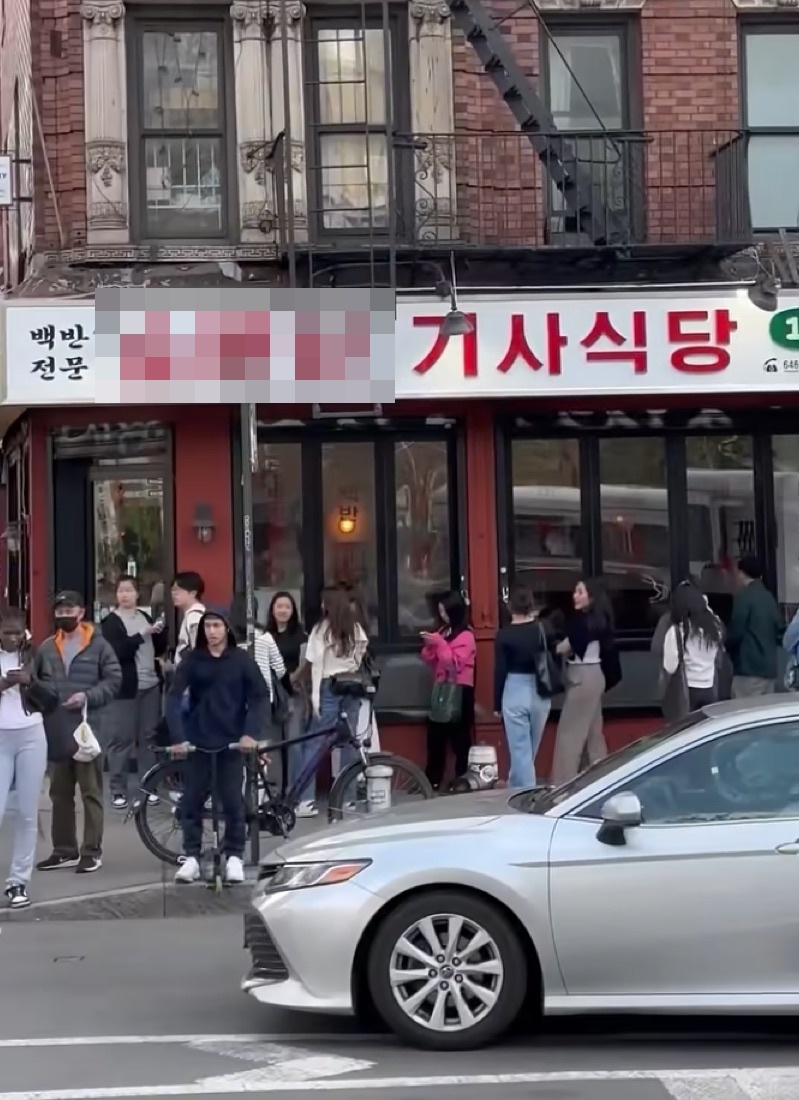
Menus and prices are quoted from each restaurant's public listings (2023–24, and they may be higher now). They do not state, guarantee or imply any revenue for this business.
However large the U.S. market and however strong the Korean wave, Korean food will never be Americans' staple. Anywhere in the world, people want to visit restaurants that are busy and have a line. So rather than overreaching, we bring in one brand per category, carefully, one at a time.
Only one brand per category. Even when every category has been filled once and the next cycle begins, the rule stays the same: one per category.
One at a time, at the right moment, after thorough discussion with our master partners. Success is never a reason to roll out brand after brand.
We won't cut open the goose that lays the golden eggs. We choose lasting value over short-term greed, which is also how we avoid burdening the wider K-culture.
A restaurant brand is itself an asset that is bought, sold and priced. But its price isn't set by store count alone. The M&A market and the stock market value a brand by multiplying store count by sales per store (system-wide sales) and by the trust and growth behind them.
The number of stores alone tells you little. Real value appears only when sales per store and trust are multiplied in.
Valued at a price-to-sales ratio of 5.6×, a premium well above the industry average of 3.78×.
About 400 U.S. stores, compared with McDonald's 40,000. Strong per-store sales make it a premium brand.
$1 billion for about 315 stores. Fewer stores, bigger value.
Acquired by Korean private equity firm VIG Partners in 2018, when it had 325 stores in 8 countries. It later moved its global headquarters to the U.S., and in 2026 a sale to a new owner is being pursued.
THE INVESTOR · AVCJWent public on the Nasdaq in 2023 (GENK) with about 30 stores. Its target sales per new store are about $5M, higher than Shake Shack's. Korean BBQ restaurants are now valued directly on the U.S. stock market.
SEC · NRNThe head restaurants we work with are authentic, long-established places that have kept their cooking for decades. Authenticity and scarcity (one per category), the halo of K-culture and high U.S. spending per customer all lift sales per store and trust. Value built that way gives a brand weight that M&A and stock markets recognize.
Above all, this value is rooted in the effort and sense of responsibility of head restaurants that have stood in the same place in Korea for many years. We put their hard work first.
Deal values, sales per store (AUV) and valuation multiples come from public reports and company filings (THE INVESTOR, QSR, SEC and others). They do not state or imply this business's revenue and do not guarantee future results.