
Different strengths
A head restaurant specializes in one bowl: taste, care and customers who come back. Running a franchise (recruiting, hygiene, distribution) takes a completely different organization.
Interest in Korea keeps growing, and with AI we can now carry the real thing.
Why it has to be now, and why it is possible now: the market, culture, technology and our own conviction, in numbers.
Likelihood that U.S. diners can tell formula-built franchise food from a head restaurant's depth*
U.S. demand for Korean food vs. Korean restaurant growth (Yelp)
Annual growth in U.S. imports of Korean agri-food (Korea's #1 export market since 2024)
‘KPop Demon Hunters,’ Netflix's most-watched film ever: its core audience may stay interested in Korea long-term ↑
Overall system build progress (against the complete version)*
Likelihood that industry tech (Android SDK · Gemini · smart glasses) heads the same way as our complete cooking AI*
What a head restaurant pays for the partnership
Korean-food menu prices, U.S. vs. Korea (gukbap, galbi and other main dishes)
5-year business survival rate: the U.S. is about 2.5× Korea (51% vs. 20%)
August 2025: K-content made up 40% of the U.S. Billboard Hot 100 top 10 (4 of 10 songs: #1, #4, #5, #10)
U.S. Korean restaurants, growth in the past year (demand is growing even faster)
Expected completion of our complete cooking AI (one that teaches better than the head restaurant's chef)*
‘Kimchi Day’ (Nov 22) officially recognized in the U.S., including at the federal level
Seoul: voted the favorite city of Millennials and Gen Z worldwide
BTS concert at a 40,000-seat U.S. stadium: time to sell out
Likelihood that there is real demand for K-food's authentic depth, not a localized version*
Korea is the #1 source of non-U.S. content on Netflix worldwide (8–9% of all viewing)
Objective figures are quoted from public sources (Yelp, Netflix, Billboard, the Seoul city government, The Korea Herald, MAFRA and others) and do not state or imply financial performance. Items marked ‘*’ express the company's outlook and confidence and are not a guarantee. Some comparison figures may vary depending on the sample and basis used.
In America today, Korea isn't a fad. It's a current. K-pop, K-drama and K-beauty paved the way, and K-food is rising fast along the same road. Most diners at Korean restaurants are now non-Korean.
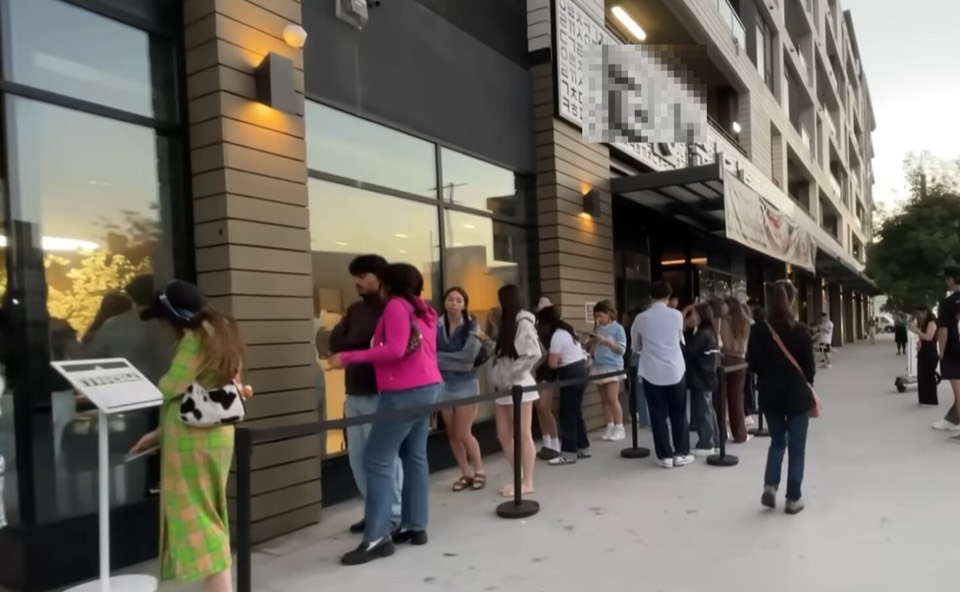
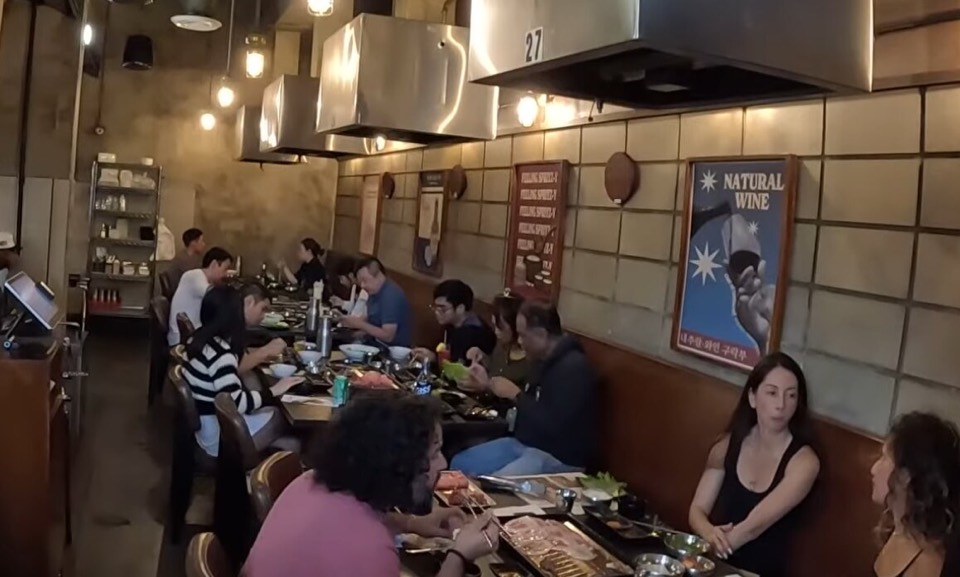
Actual scenes captured at restaurants open for business in the U.S.
The Korean wave isn't a passing fad
A leading U.S. travel publication has named Seoul the city Millennials and Gen Z most want to visit, four years in a row. The Korean wave that many said wouldn't last has only grown stronger over time.
To be honest, K-culture isn't the only thing the world loves. Still, the trend is clear.
For young Americans especially, eating Korean food now feels ‘hip.’ When you love a culture, you naturally get curious about its food.
So there is clearly demand from people curious about that deep, traditional taste.
People who came to Korean food through their love of K-culture don't want a loosely adapted version. They want the deep taste of Korea, just as it is. That demand could be unusually large.
That gap is demand that still hasn't been met.
How the market is shifting → The demand for the real taste →
Now the deep, authentic taste of Korea comes to America too. With AI.
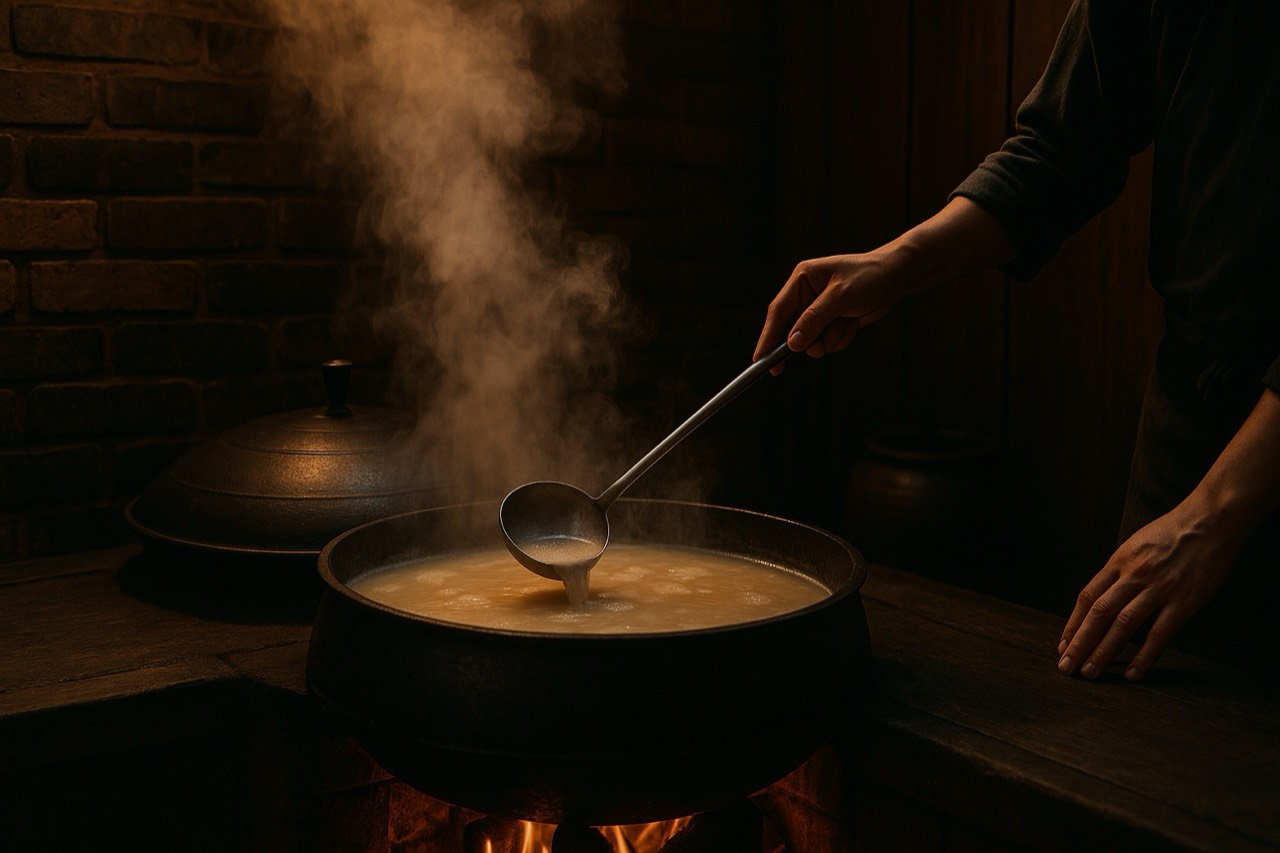
Why did head restaurants with real depth turn down franchising and stay as a single restaurant? There were good reasons, both in how the business works and in human nature.
A head restaurant specializes in one bowl: taste, care and customers who come back. Running a franchise (recruiting, hygiene, distribution) takes a completely different organization.
In a small country, people travel from all over to a famous restaurant. Opening more branches would only eat into the head restaurant's own sales.
Hard-won recognition as a great restaurant brings financial comfort, and it's only natural to see less reason to take on the stress of franchising.
This isn't a someday idea. The hardest core technology is already finished, and the system's framework stands on top of it. It is being developed to actually work in real kitchens, not as a demo for show.
The standard cooking process is filmed from the chef's point of view on Galaxy XR.
A high-intelligence general AI learns the chef's touch for that dish from the footage.
The AI sees the learner's live view, teaches by conversation and grades how far the cooking is from the head restaurant's.
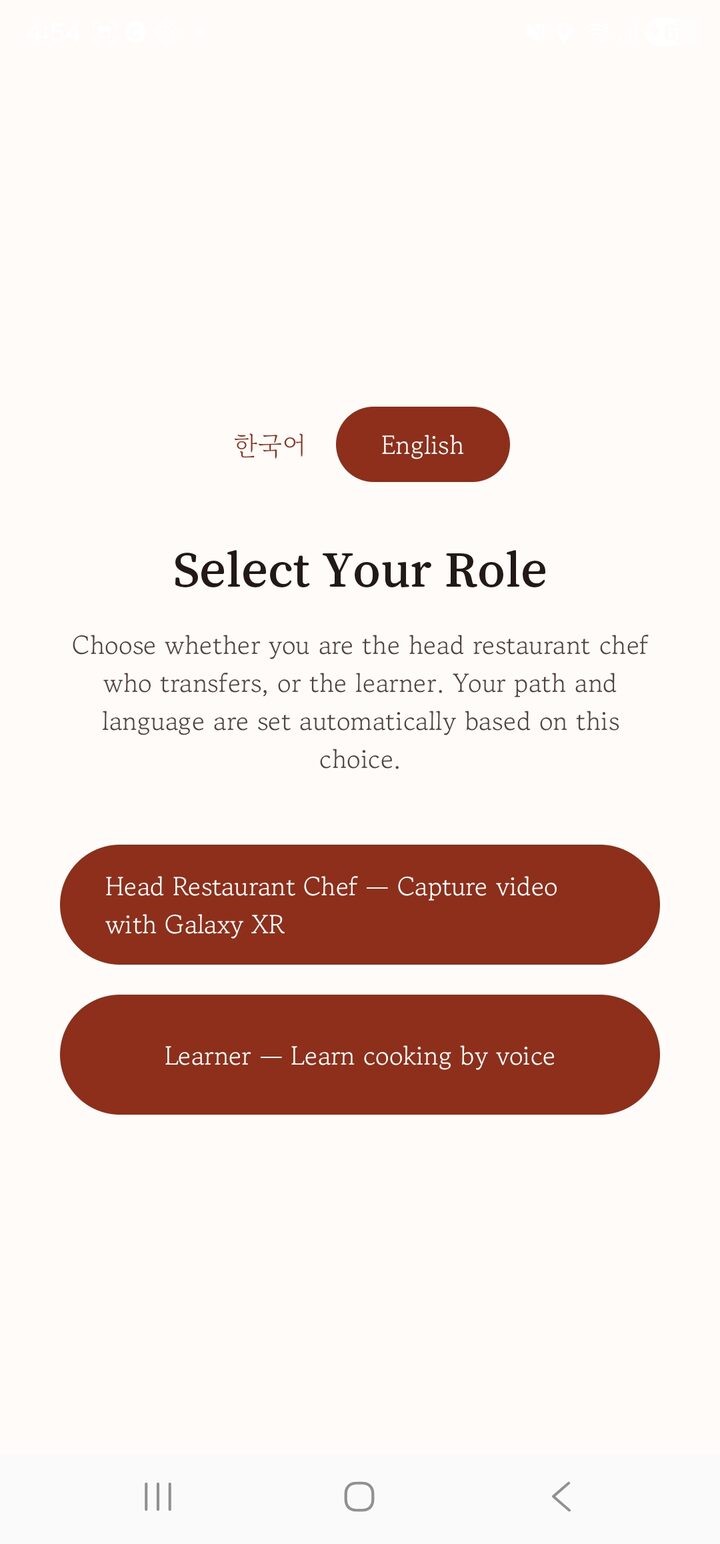
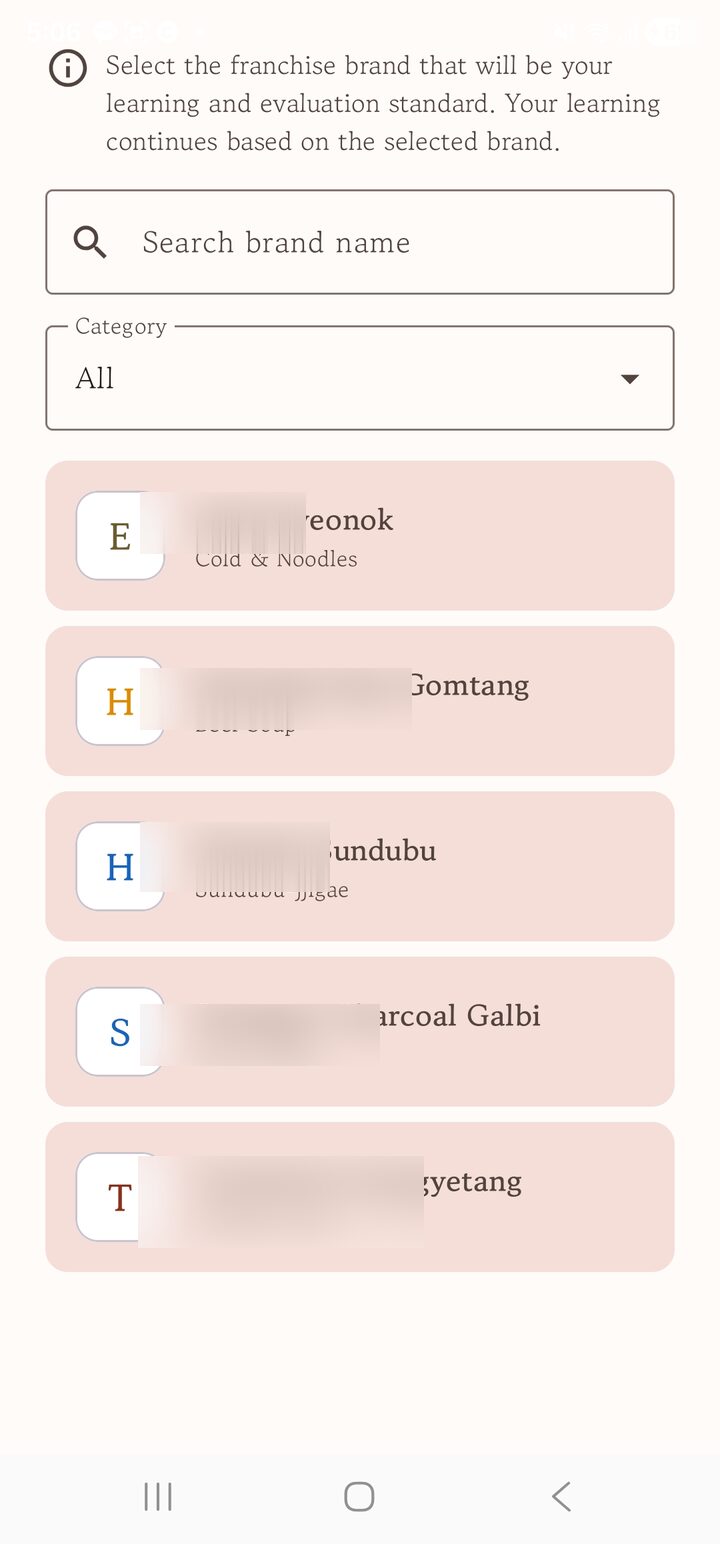
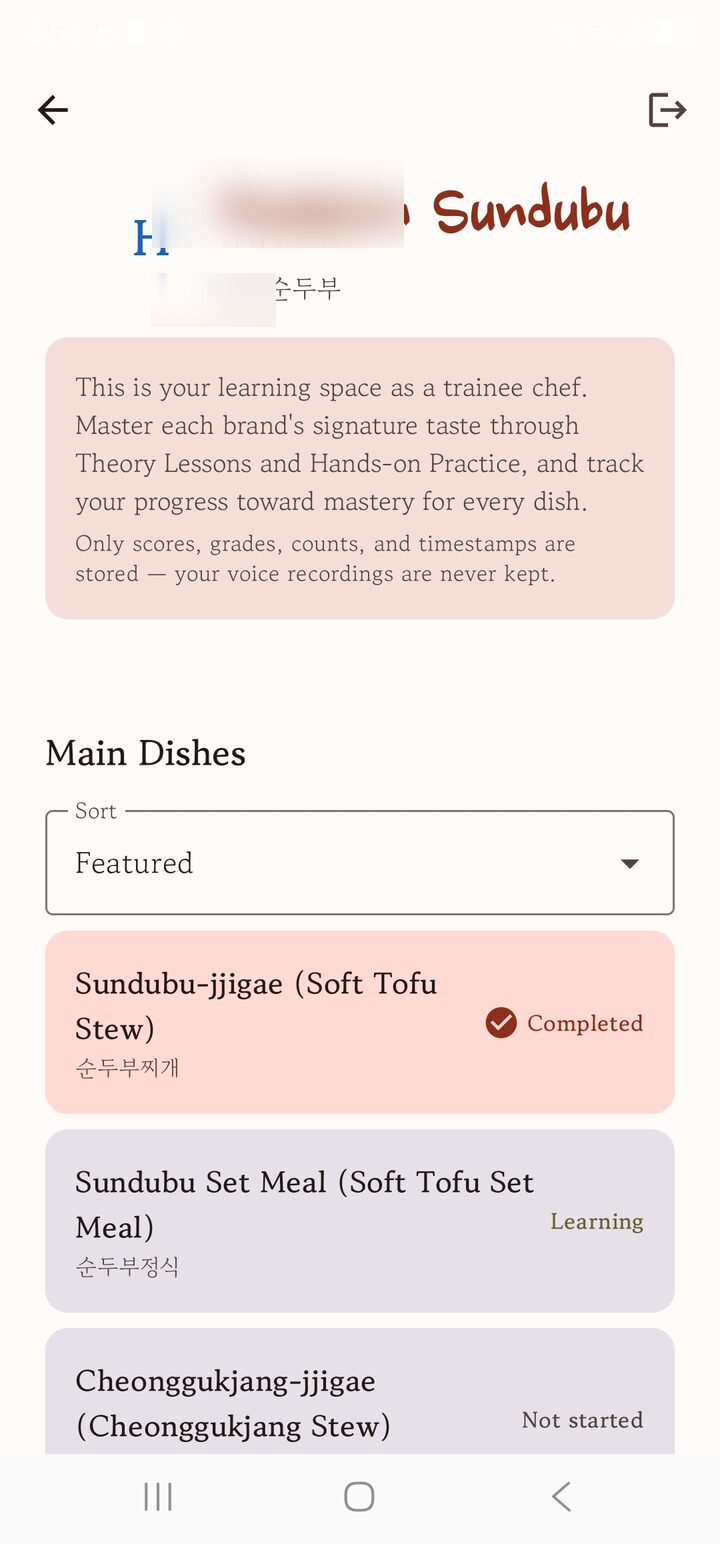
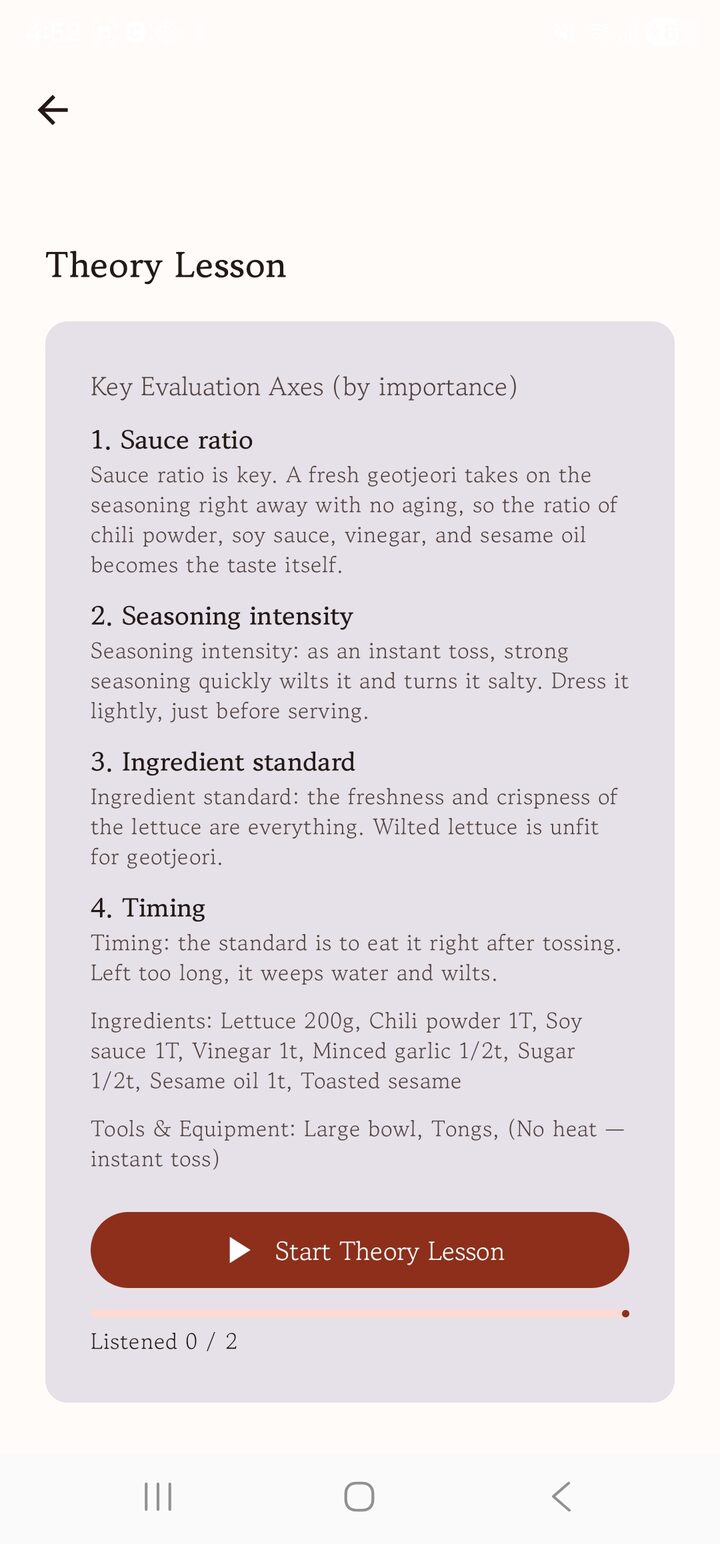
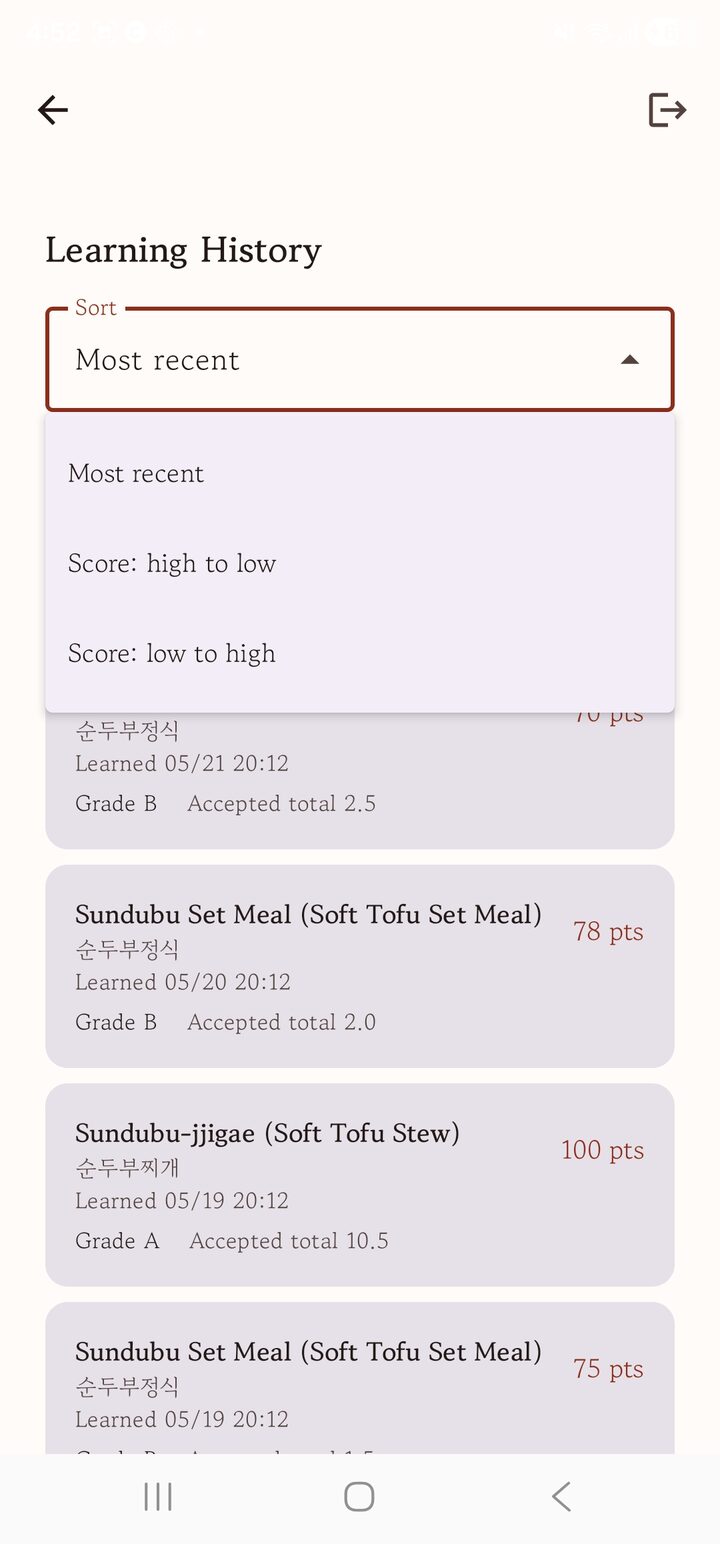
Restaurant names in some screens are hidden until a partnership is signed. (Pilot-stage screens)
On-device vision AI · system framework · cloud training link · real-time split of roles
Bringing on-device and cloud AI together on XR
Training on head restaurant footage · on-site device testing
Let us be clear about one thing: no one can match the head restaurant chef's cooking itself. The only area we aim to go beyond is teaching, and that is exactly where AI fills the gap and then goes further.
It teaches every learner whenever they need it, as many times as they need, always to the same standard.
It marks the exact object in the learner's view and shows in numbers what used to be judged by eye.
It remembers the head restaurant's cooking pattern, checks in real time that the learner's movements stay in line with it, narrowing the gap.
And we aren't on this road alone. The whole industry is racing toward devices that share what you see and toward on-device AI. We have that wind at our back.
What the teaching aims for → Why the industry is heading the same way →
For head restaurants in Korea
Since this starts remotely, you might wonder, “Will this become a burden?” So here are just the facts: the partnership is only a way to express interest, and the head restaurant pays nothing.
So across the whole partnership and overseas expansion, the head restaurant pays $0.
The partnership only says, “We're interested in this business.” It becomes legally binding only with a formal contract, so until then you can stop anytime, with no burden.
And because a head restaurant's recipes and signature cooking are assets nothing can replace, we protect them with several layers of security. More on our security design →
“All a head restaurant needs to bring is one thing: the deep taste it has built over many years.”
For restaurant companies
In the U.S. market, the first successful launch matters most. When our first project together goes well, the next steps follow naturally. We stay for the long run with partners who deliver.
The first brand in a category gets established in the U.S., and it takes that first step together with the master partner running it there.
Successfully establishing a brand on the ground is trust proven by results, not words.
On that trust, it's only natural that you'll be the first we talk to about the next brand or another country.
We're now accepting Priority Partner applications
When a head-restaurant brand is confirmed, we introduce it to our selected Priority Partners first and talk it through with them. There are no fees and no legal obligations.
Head restaurants start with a partnership. Restaurant companies start by applying to be a Priority Partner.

 Head restaurant · Korea
  Learner · U.S.